For clinical chemistry analyzers such as the Beckman Coulter AU5800, the halogen lamp is an important part of the photometric system. When photometric performance becomes abnormal, engineers can use the following checks to determine whether the lamp needs to be replaced.
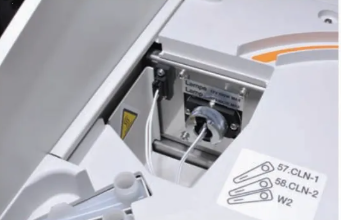
1. Check Instrument Alarms
Check for alarms such as “Lamp Dark” and abnormal light-energy readings.
If a reaction-cup overflow alarm occurs, first check the cuvette and optical path. Clean the affected area and eliminate the cause of the overflow before replacing the lamp.
2. Check Lamp Service Life
If the lamp has exceeded its expected service life and several performance indicators have deteriorated, replacement should be considered.
Typical halogen lamp life is approximately 1,000–2,000 hours, depending on the manufacturer and model.
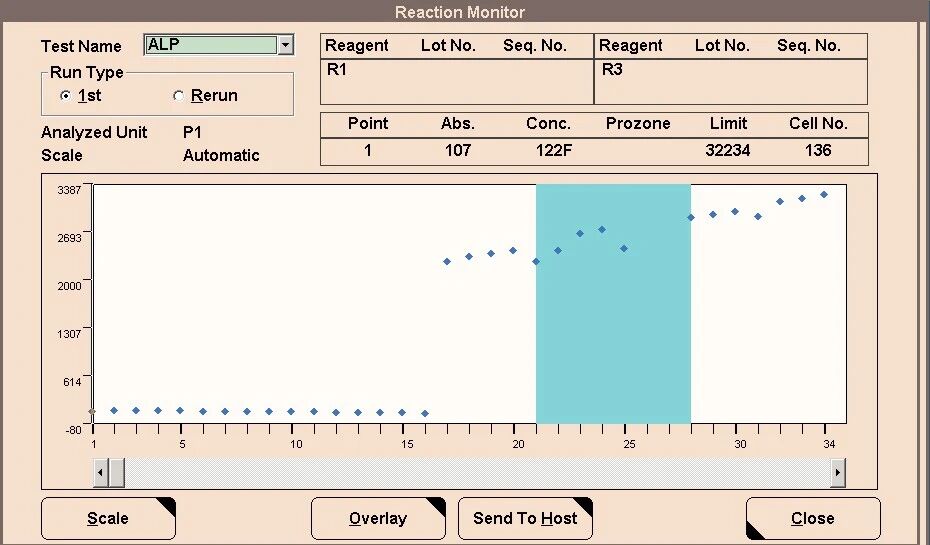
3. Check Reaction Curves
If rate assays, especially 340 nm assays, frequently show wave-like or unstable reaction curves, check the photometric system and lamp condition.
Common examples include ALT and AST.
4. Check Internal QC
Abnormal or unstable internal quality control (IQC) results may indicate a photometric problem. After excluding reagent, calibration, and other instrument-related causes, check the lamp.
5. Check Cuvette OD
Add water to the cuvette and measure its OD value.
If the OD is significantly higher than the historical level, check the cuvette and optical system, including the lamp.
6. Repeat Photometric Correction
Perform the photometric correction measurement twice and compare the two datasets.
A large difference between the two measurements may indicate an unstable light source or another photometric problem.
7. Check the Lamp Physically
If the lamp does not light:
- Check whether the filament is broken.
- Check whether the lamp surface is significantly darkened.
- Check the lamp installation and related connections.

When Should You Replace the Lamp?
Lamp replacement should be based on both service life and actual photometric performance.
If the instrument shows abnormal light monitoring data, repeated photometric errors, unstable reaction curves, or a failed lamp inspection, replacement should be considered according to the manufacturer’s maintenance requirements.
Always follow the specific replacement interval and procedure recommended by the analyzer manufacturer.
If you encounter other photometric or lamp-related problems, feel free to contact us for technical support.